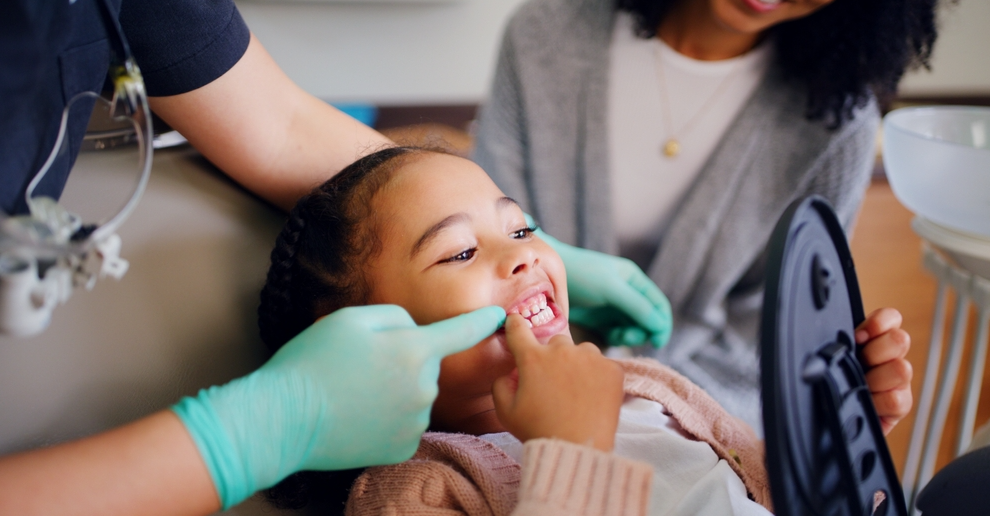
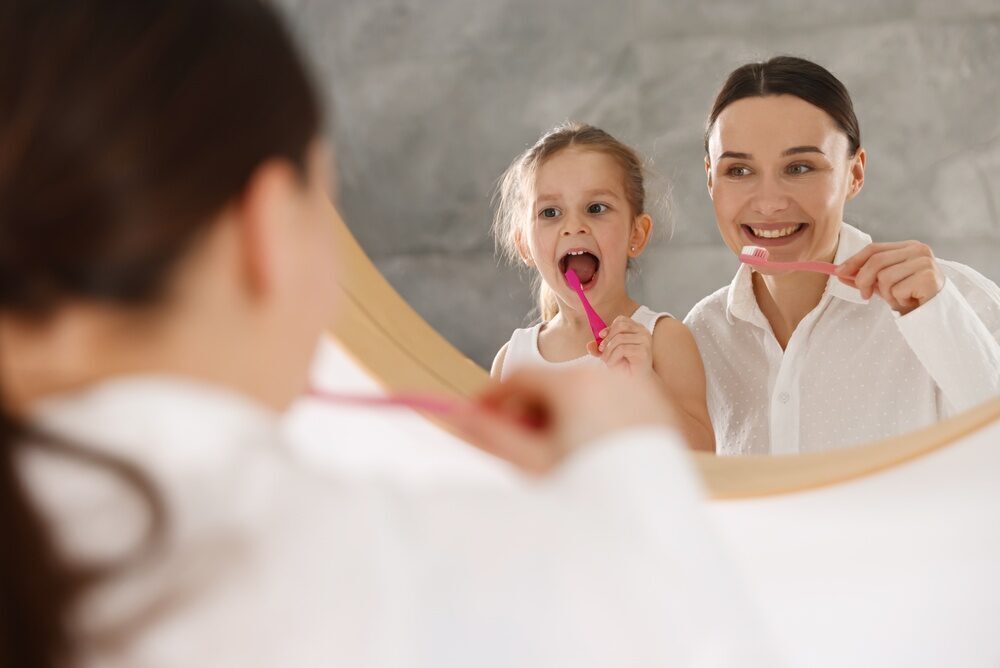
A dental home is the ongoing relationship between a child and one dental provider who knows that child’s history, risk level and temperament. The American Academy of Pediatric Dentistry recommends establishing it by the first birthday or within six months of the first tooth, whichever comes first. Families who start that early typically spend less on treatment over the next decade and raise kids who sit down in the chair without a fight.
That second part surprises parents more than the first. Early pediatric dental care with Smiles For Kids Pediatric Dentistry is as much about behavior and comfort as it is about enamel, and the two are harder to separate than most people expect. Choose our gentle dental care with Dr. Lockwood and make our office your dental home in North Wales, PA.
What a Dental Home Actually Means
The term comes from the American Academy of Pediatric Dentistry, which defines a dental home as care that is continuous, accessible and family-centered rather than a series of one-off appointments at whichever office has an opening. It means one chart, one set of baseline X-rays, and a provider who remembers that your middle child gags on the mirror and your oldest handles fluoride varnish fine.
Practically, a dental home gives you four things that scattered visits cannot:
- Risk tracking over time, so a dentist can see that white spot lesions appeared between the 18-month and 24-month visits and adjust fluoride accordingly.
- A known point of contact for emergencies, which matters at 7 p.m. on a Saturday when a toddler knocks out a front tooth on the coffee table.
- Consistent prevention, including sealants placed within a year or two of first molars erupting, when they work best.
- Behavioral continuity, because a child who has met the same hygienist six times is not meeting a stranger during a filling.
Dr. Danielle Lockwood, who completed her pediatric residency at St. Christopher’s Hospital for Children, describes the first few visits less as exams and more as rehearsals. The real work shows up years later, when a nine-year-old needs a crown and treats it as routine.
Why Age One Is Not Too Early
Parents often assume a dentist cannot do much with a mouth that holds four teeth. The first visit usually takes 20 to 30 minutes and covers far more than those teeth: feeding habits, nighttime bottles, pacifier use, fluoride exposure in your tap water, and whether the child’s bite and jaw growth look on track.
Decay in baby teeth is not rare and it is not harmless. The Centers for Disease Control and Prevention reports that roughly one in five children aged five to eleven has at least one untreated decayed tooth, and early childhood caries can progress from a chalky white line to a cavity needing restoration in a matter of months.
Baby teeth also hold space for the permanent ones. Losing a second primary molar early to decay often means space loss and a crowding problem that shows up as a longer, more expensive orthodontic case at age twelve.
What Happens at an Early Appointment
For children under three, most of the exam happens in what dentists call the knee-to-knee position: the parent and dentist sit facing each other, the child lies back across both laps, and the whole thing takes a few minutes. Toddlers may cry. Crying is not a sign the visit failed, and it gives the dentist a clear view.
A typical first-visit checklist includes:
- A soft-tissue and tooth-by-tooth exam, checking for demineralization along the gumline of the upper front teeth.
- A gentle polish or toothbrush cleaning, depending on how much plaque is present.
- Fluoride varnish, which takes about 30 seconds to apply and stays on for several hours.
- A frenum and airway check, relevant if there have been nursing or speech concerns.
- A brushing demonstration using your child’s actual mouth, not a model.
- A caries risk assessment that sets the recall interval, usually every six months but sometimes every three or four for higher-risk kids.
Expect the fee for an initial exam, cleaning and varnish to land somewhere around $120 to $250 without insurance in most markets, with the age-one visit often covered in full by dental plans as preventive care.
How Gentle Dental Care Changes the Next Fifteen Years
Dental anxiety in adults usually traces back to a specific childhood memory, often a painful first experience that happened because the first visit was also an emergency. When the first appointment is a cleaning at age one rather than a toothache at age five, the child never builds that association.
Gentle dental care is a method, not a marketing line. It leans on tell-show-do, where the child hears the suction called a straw, sees it on a finger, then feels it. It uses short appointments for young children, positive reinforcement, and topical anesthetic placed well before any injection so the tissue is genuinely numb.
It also means honesty. Telling a child something will not feel like anything when it will costs a practice every bit of trust it built, and kids remember who lied to them.
What Parents Control Between Visits
Two cleanings a year account for maybe an hour of a child’s life.
The other 8,759 hours decide most outcomes, and a few habits do the heavy lifting:
- Brush twice daily with fluoride toothpaste, using a rice-grain smear under age three and a pea-sized amount from three to six.
- Brush for your child until roughly age eight, when manual dexterity catches up. Letting them go first and finishing yourself works well.
- Stop the bedtime bottle or nursing-to-sleep habit once teeth are present, since pooled milk sugar overnight drives upper front tooth decay.
- Move from sippy cups to open or straw cups by 12 to 18 months and keep juice to four ounces a day or less.
- Floss any teeth that touch, which usually starts with the back molars around age two or three.
Frequency of sugar exposure matters more than quantity. A single dessert does less harm than a juice cup sipped across three hours, because each sip restarts the acid attack on enamel.
How Often Should Children Have Cleanings?
Every six months for most children, though higher-risk kids may be seen every three to four months. Risk factors that shorten the interval include previous cavities, visible plaque, frequent snacking, orthodontic appliances and non-fluoridated drinking water.
Choosing Among Pediatric Dentists
All dentists can treat children, but pediatric dentists complete two to three additional years of hospital-based residency after dental school focused on child development, behavior guidance, sedation and treating patients with special health care needs. Board certification through the American Board of Pediatric Dentistry adds a written and oral examination process beyond that training.
When comparing practices, it helps to ask about:
- Residency training and whether the dentist is board certified, as Dr. Lockwood is.
- How the office handles a child who will not cooperate, and what the thresholds are for nitrous oxide, sedation or referral.
- Emergency availability after hours and on weekends.
- Whether parents are welcome in the treatment area, and the office’s reasoning either way.
- Experience with your child’s specific situation, whether that is autism, a severe gag reflex or a history of trauma from a previous office.
A practice that answers those questions plainly, without defensiveness, usually runs the same way in the operatory.
Are X-Rays Safe for Young Children?
Yes. A set of two bitewing X-rays delivers roughly the radiation of a few hours of ordinary background exposure, and modern digital sensors cut the dose substantially compared with film. They are typically first taken when the back teeth touch, often between ages four and six, and only when the dentist cannot see between those surfaces directly.
Do Cavities in Baby Teeth Really Need Treatment?
Yes, in most cases. Untreated decay can reach the nerve, cause infection and pain, damage the developing permanent tooth underneath, and lead to early tooth loss that shifts neighboring teeth into the space.
Schedule Your Child’s First Visit at Smiles For Kids Pediatric Dentistry
Smiles For Kids Pediatric Dentistry sees patients from the first tooth through the teenage years, with appointments built around how children actually behave rather than how we wish they would. Call the office to set up a first visit or to talk through a specific concern before you book.